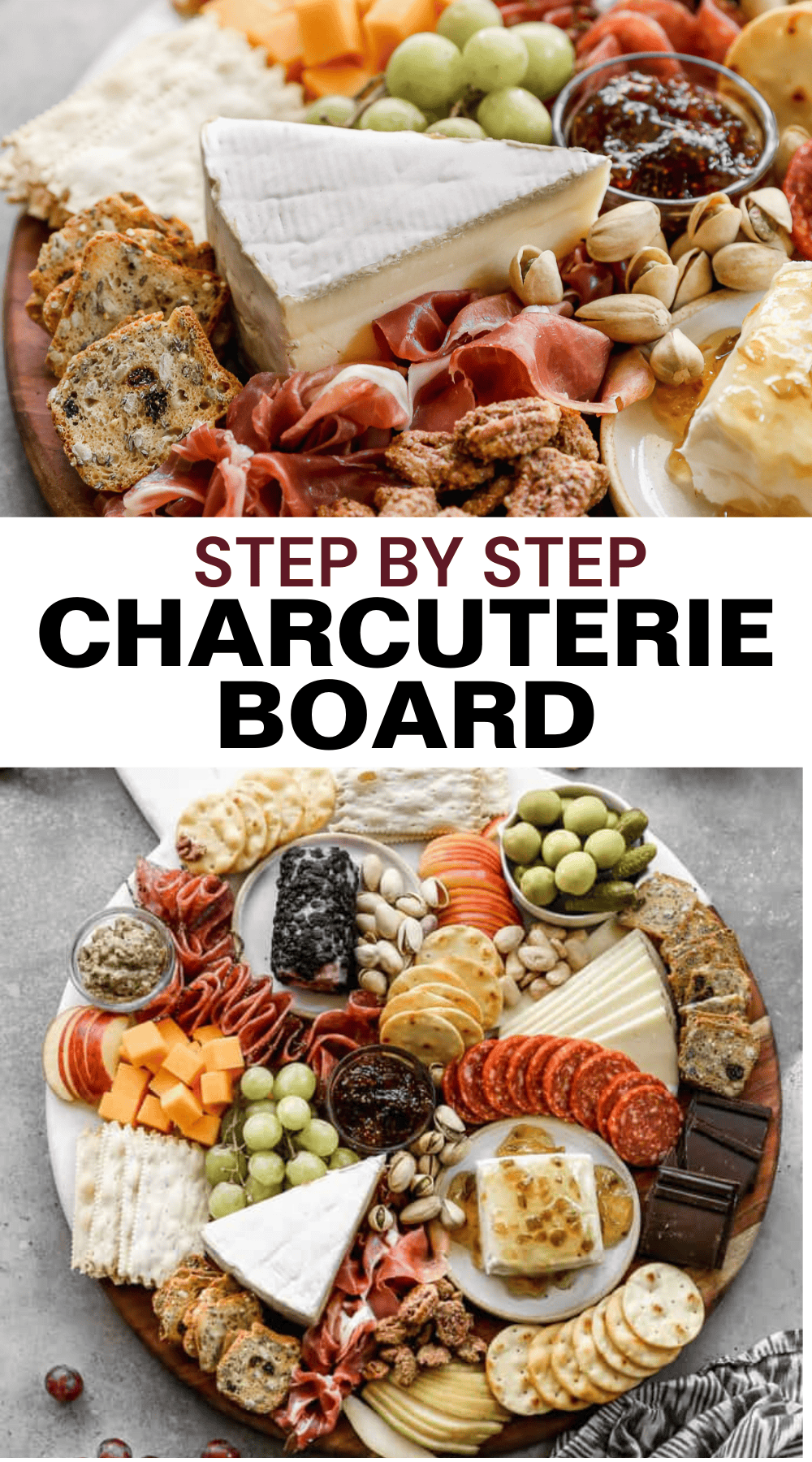
Crafting the Perfect Charcuterie Board: Ingredients & Styling Tips
The humble charcuterie board has evolved from a simple platter of cured meats into an elaborate, artful spread that serves as the centerpiece of any gathering. More than just an appetizer, a well-curated charcuterie board is a moveable feast, inviting guests to explore a symphony of colors, textures, and flavors. Whether you're hosting a sophisticated soirée, a casual get-together, or simply indulging in a cozy night in, mastering the art of the charcuterie board is a skill that will delight your senses and impress your guests.
The Art of the Charcuterie Board: A Culinary Statement
At its heart, "charcuterie" (pronounced *shahr-koo-tuh-ree*) traditionally refers to the French art of preparing cured meats, such as salami, prosciutto, and pâtés. However, the modern charcuterie board has broadened its definition significantly. Today, it encompasses a diverse array of ingredients, creating a gourmet grazing experience that combines savory and sweet, soft and crunchy, tangy and rich.
The enduring popularity of the charcuterie board lies in its versatility and visual appeal. It’s an interactive culinary experience that encourages conversation and shared enjoyment. Each board is a unique canvas, allowing you to express creativity through ingredient selection and arrangement. Building one doesn't have to be complicated; it’s about thoughtful choices and a dash of artistic flair. For those just starting, remember that the goal is variety and balance. A good rule of thumb for quantities is to estimate 3-4 slices of meat and 1-2 ounces of cheese per person, then let your culinary imagination guide the rest. If you're new to the world of these delightful spreads, you might find even more helpful guidance in
Mastering Your First Charcuterie Board: A Beginner's Guide.
Essential Ingredients for Your Charcuterie Masterpiece
The secret to a show-stopping charcuterie board lies in a thoughtful selection of high-quality ingredients that offer a range of flavors, colors, and textures.
Meats: The Star of the Show
Your charcuterie board wouldn't be complete without a selection of cured meats. Aim for 2-4 different types, offering a mix of profiles and textures.
- Salami Varieties: Genoa, soppressata, or Calabrese salami offer different levels of spice and richness. Slice them thinly or create visually appealing "salami roses" by folding and rolling.
- Prosciutto: This delicate, salty cured ham is always a crowd-pleaser. Arrange it in elegant folds or drapes.
- Capicola: A spicier, marbled cured pork, often with a robust flavor.
- Ham: Thinly sliced honey ham or smoked ham can provide a milder, sweeter counterpoint.
- Pâté or Rillettes: For a more gourmet touch, include a small jar or dish of liver pâté or shredded meat rillettes, served with a spreader.
Cheeses: A Symphony of Flavors and Textures
Select 3-5 different cheeses to provide variety in flavor, texture, and color.
- Hard & Aged Cheeses: Think Parmesan, aged cheddar, or Gruyère. These are perfect for cubing or slicing and offer nutty, sharp notes.
- Soft & Creamy Cheeses: Brie or Camembert (best served at room temperature for maximum creaminess), a fresh goat cheese (chèvre) log, or a luscious burrata (with its creamy interior) add a delightful contrast. Serve with a small spreader.
- Semi-Hard Cheeses: Gouda, Havarti, or Provolone are versatile and generally appealing.
- Blue Cheeses: For adventurous palates, a small wedge of Gorgonzola or Roquefort can add a pungent, earthy depth.
- Cheese Spreads/Dips: Consider adding a creamy herb cheese spread or a savory pimento cheese dip.
Crisps & Carbs: The Perfect Vehicles
These provide the foundation for your meats and cheeses, as well as crucial crunch.
- Crackers: Offer a variety – water crackers, artisanal whole-grain crackers, seeded crackers, or even gluten-free options.
- Bread: Thinly sliced baguette (toasted crostini work wonderfully), breadsticks, or flatbreads.
- Pretzels: Small, crunchy pretzel sticks or knots can add a fun, salty element.
Fruits & Nuts: Freshness and Crunch
These components add bursts of freshness, sweetness, and vital textural contrast.
- Fresh Fruit: Grapes (on the vine for visual appeal), fresh berries (strawberries, raspberries, blueberries), sliced apples or pears (toss in a little lemon juice to prevent browning), and seasonal figs.
- Dried Fruit: Dried apricots, dates, cranberries, or cherries offer concentrated sweetness and chewiness.
- Nuts: Shelled almonds, walnuts, pecans, cashews, or pistachios. Opt for roasted and salted varieties, or include candied nuts for a sweet crunch.
Pickles, Olives & Spreads: Tangy Accents and Flavor Boosters
These small bowls of concentrated flavor cut through the richness of meats and cheeses, cleansing the palate.
- Pickled Vegetables: Cornichons (mini dill pickles), pickled onions, or banana peppers.
- Olives: A mix of black, green, and Kalamata olives adds briny notes. Consider marinating them lightly with herbs and olive oil.
- Jams & Spreads: Fig jam, pepper jelly, or a dollop of local honey (perfect with cheese).
- Mustards & Dips: Whole grain mustard, spicy Dijon, olive tapenade, hummus, or a creamy garlic aioli.
Sweet Treats (Optional but Recommended)
A touch of sweetness can beautifully balance the savory elements.
- Chocolate: Dark chocolate squares, chocolate-covered almonds or raisins, or mini truffles.
- Candied Items: Candied walnuts or pecans.
Styling Your Charcuterie Board for Maximum Impact
Once you have your ingredients, the magic happens in the arrangement. You can use any shape or size of wooden board, slate platter, or even an oversized cutting board as your canvas. The goal is to make it look abundant, inviting, and aesthetically pleasing. Here are some pro tips:
- Anchor with Bowls: Start by placing any small bowls for dips, olives, or jams. These create structure and prevent liquids from mixing with other items.
- Distribute Cheeses: Place your chosen cheeses strategically around the board, ensuring they are not too close together. This allows guests to easily identify and access different varieties.
- Meat Artistry: Arrange meats with creativity. Fold prosciutto into ribbons, roll salami slices into cylinders, or create beautiful "salami roses" for added flair. Overlap them to create volume and texture.
- Fill in the Gaps with Color: Now, add your fruits and nuts. Use grapes on the vine to create natural flow. Arrange berries in colorful clusters. Scatter nuts in empty spaces. The key is to fill the board generously, creating a bountiful appearance.
- Add Your Carbs: Arrange crackers and bread around and amongst the other ingredients. You can fan them out, stack them, or place them in piles, ensuring they are easily accessible.
- Introduce Tangy Accents: Fill your small bowls with pickles and olives, tucking them into any remaining spaces.
- The Finishing Touch: Elevate your charcuterie board with fresh herbs like sprigs of rosemary or thyme. They add a touch of greenery, a pleasant aroma, and make the board look professionally finished.
- Provide Utensils: Don't forget small cheese knives, spreaders, and mini tongs for easy serving.
Remember, there's no single "right" way to arrange a charcuterie board. Let your inner foodie guide you, allowing for an organic, slightly messy, yet utterly delicious display. For more hands-on guidance, check out our article on
DIY Charcuterie Board: Simple Steps for Stunning Party Platters.
Beyond the Board: Creative Serving Ideas & Gifting
While the traditional large board is a classic, don't limit your imagination. Charcuterie can be adapted for various occasions:
- Individual Charcuterie Cups: For socially distanced gatherings or picnics, assemble mini charcuterie boards in individual cups or jars. Layer cheese cubes, folded meats, grapes, and crackers for a convenient, personal serving.
- Hostess Gifts: Create smaller, personalized charcuterie boards on miniature wooden planks, wrap them in cellophane with a festive bow, and present them as a thoughtful hostess gift or party favor.
- Themed Boards: Customize your charcuterie board for holidays (e.g., a Christmas-themed board with cranberries and gingerbread cookies) or specific cuisines (e.g., an Italian-themed board with focaccia, pesto, and mozzarella).
Conclusion
Crafting the perfect charcuterie board is a delightful journey of culinary exploration and creative expression. It’s an opportunity to gather loved ones, share delicious food, and enjoy the art of grazing. By understanding the essential ingredient categories and employing thoughtful styling techniques, you can transform a simple platter of food into an unforgettable edible work of art. So, unleash your inner chef, experiment with flavors, and enjoy the rewarding process of building your very own masterpiece. Your next charcuterie board is sure to be the talk of the town!