DIY Charcuterie Board: Simple Steps for Stunning Party Platters
Creating a show-stopping charcuterie board is one of the most rewarding ways to entertain, offering an edible centerpiece that's as beautiful as it is delicious. Forget the intimidation factor – with a few simple steps and creative flair, you can assemble a vibrant, flavorful, and unforgettable party platter that will have your guests raving. It's more than just piling food on a board; it's about crafting an experience, a movable feast of colors, textures, and tastes that invites conversation and enjoyment.
What Exactly is a Charcuterie Board? Unpacking the Culinary Canvas
At its heart, a charcuterie board (pronounced "shahr-koo-tuh-ree") traditionally refers to the art of preparing cured meats, like salami, prosciutto, and pâtés. While its roots are deeply embedded in French culinary tradition, the modern charcuterie board has evolved into a diverse and exciting culinary trend. Today, it’s a beautifully arranged spread that typically combines an array of cured meats with various cheeses, artisan breads and crackers, fresh and dried fruits, nuts, olives, and an assortment of sweet and savory accompaniments.
What makes these boards so universally loved? It's their inherent flexibility and visual appeal. They cater to a multitude of tastes, encourage grazing and social interaction, and can be customized for any occasion, from an intimate gathering to a grand celebration. The beauty lies in its abundance and variety, transforming a simple wooden board into an impressive edible landscape. Whether you opt for a grand, sprawling design or charming mini-charcuterie boards, the possibilities are endless for creating your personal edible masterpiece.
Crafting Your Culinary Canvas: Essential Ingredients for Your Charcuterie Board
The foundation of any great charcuterie board lies in a thoughtful selection of ingredients. Aim for a balance of flavors (savory, sweet, salty, tangy), textures (creamy, crunchy, chewy), and colors to create visual interest. Here’s a breakdown of the key components:
1. The Star Meats
Choose a variety of cured meats that are easy to eat with your fingers. Think beyond just slices; consider how the meat looks on the board.
- Salami Varieties: Genoa, soppressata, or spicy calabrese can be rolled into cylinders or folded into quarters for easy grabbing.
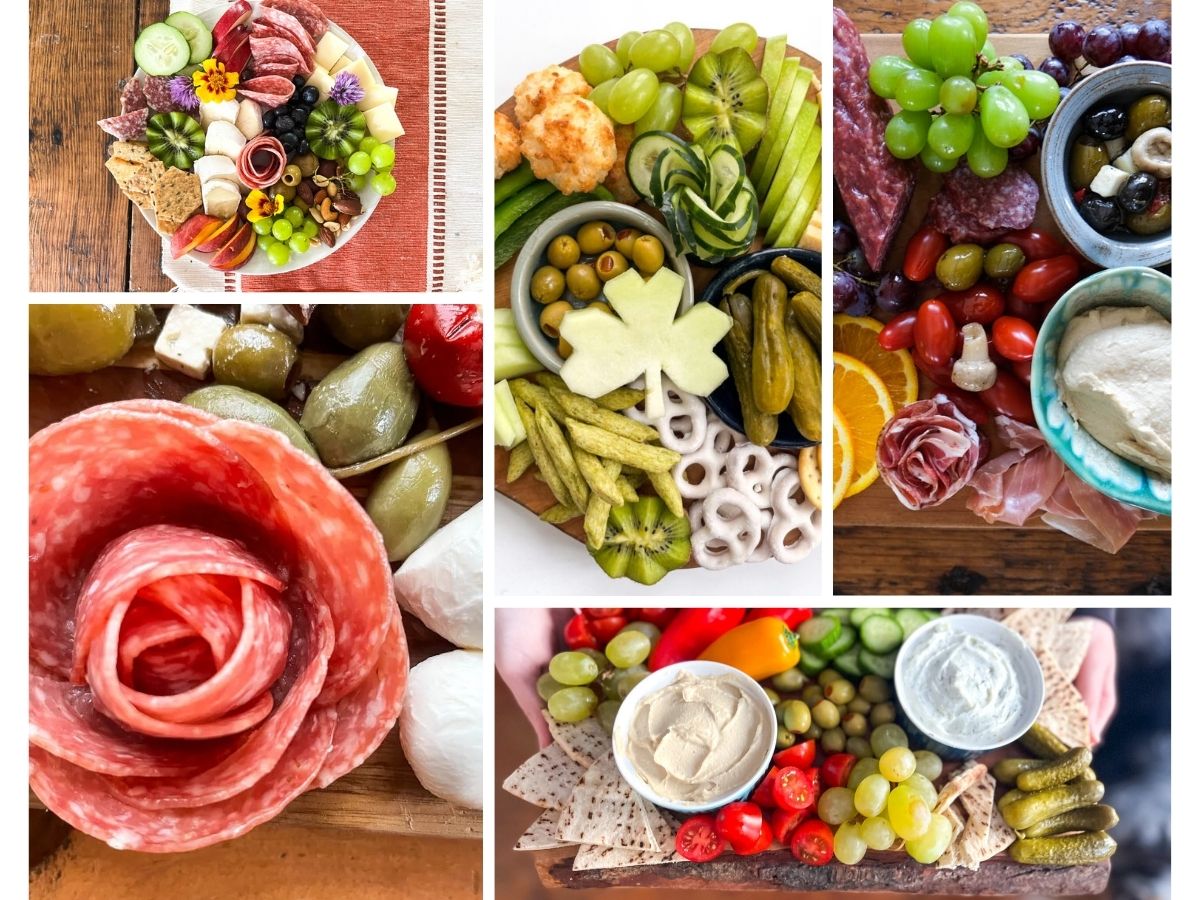
- Prosciutto & Pancetta: These thin, delicate slices are perfect for artful draping or curling into elegant 'roses' that add height and visual intrigue.
- Other Cured Meats: Mortadella, coppa, or even a pre-sliced chorizo can offer different flavor profiles.
A good rule of thumb is to estimate 3-4 slices of meat per person, ensuring variety without over-committing to one type.
2. The Cheese Ensemble
Cheese is arguably the co-star of the charcuterie board. Select a range that offers different flavors, textures, and colors.
- Hard Cheeses: Think Parmesan, aged cheddar, or Gruyère. These can be sliced, cubed, or broken into rustic chunks.
- Soft Cheeses: Brie, Camembert, or Burrata add a creamy, luxurious element. Allow them to come to room temperature for optimal flavor and texture.
- Semi-Hard/Crumbly Cheeses: Goat cheese (chevre), blue cheese (Gorgonzola, Stilton), or sharp white cheddar offer pungent or tangy notes.
Aim for 1-2 ounces of cheese per person. Don't be afraid to include a creamy dip, like a spreadable goat cheese or a rich Boursin, for added indulgence.
3. Breads & Crackers: The Perfect Scooping & Spreading Companions
These are the essential vehicles for delivering all those delicious toppings. Offer a diverse selection:
- Artisan Crackers: Water crackers, multigrain crackers, or seed crackers provide various textures and subtle flavors.
- Crusty Breads: Thin slices of toasted baguette (crostini) are perfect for spreading.
- Breadsticks: Grissini or other decorative breadsticks can add height and crunch.
Consider including gluten-free options to accommodate all guests.
4. Fresh & Dried Fruits, Nuts: Color, Crunch & Sweetness
These elements add freshness, vibrant color, and contrasting textures.
- Fresh Fruits: Grapes (on the vine for visual appeal), strawberries, raspberries, blueberries, or thinly sliced apples and pears. Choose seasonal options for peak flavor.
- Dried Fruits: Apricots, figs, cherries, or cranberries add a chewy sweetness and different visual appeal.
- Nuts: Shelled and salted nuts like almonds, pistachios, cashews, or pecans. Candied walnuts or spiced nuts can add a gourmet touch.
5. Sweet & Savory Accompaniments
These small additions elevate the board from good to extraordinary.
- Sweet Spreads: Fig jam, pepper jelly, local honey (maybe with a small honey dipper), or fruit preserves.
- Olives & Pickles: A medley of black, green, and Kalamata olives, cornichons (mini dill pickles), or pickled peppers add a briny, tangy counterpoint.
- Dips & Spreads: Whole grain mustard, hummus, garlic aioli, or a quick homemade tapenade can add depth.
- Something Sweet: Don't forget a touch of indulgence like dark chocolate squares, chocolate-covered almonds, or mini truffles.
The Art of Arrangement: Styling Your Charcuterie Masterpiece
The real magic of a charcuterie board comes from its presentation. It's about making it look abundant, inviting, and easy for guests to navigate. Here's how to arrange your ingredients for maximum impact:
- Start with Foundation Pieces: Place your small bowls or ramekins first for dips, olives, or jams. These act as anchors and help define spaces.
- Distribute Cheeses: Position your cheeses strategically around the board. Vary their placement and consider pre-slicing some and leaving others as blocks for guests to cut themselves.
- Arrange Meats: Fill the spaces around the cheeses with your cured meats. Roll, fold, or drape them for visual appeal. Create "rivers" of meat or small clusters.
- Add Breads & Crackers: Fan out crackers along the edges or tuck them into gaps. Place bread slices strategically near cheeses and spreads.
- Fill with Fruits & Nuts: This is where you add a burst of color and freshness. Cluster grapes, berries, and nuts in the remaining spaces. Tuck dried fruits in between larger elements.
- The Finishing Touches: Sprinkle fresh herbs like rosemary or thyme sprigs onto the board. These aren't just for garnish; they add a delightful aroma and a professional, polished look.
Remember, the goal is abundance. Don't be afraid to pile things high and fill every available space. A full board looks more inviting and generous. For more detailed insights on ingredient pairing and advanced styling techniques, be sure to explore our guide on
Crafting the Perfect Charcuterie Board: Ingredients & Styling Tips.
Tips for Success & Making It Your Own
Creating a DIY charcuterie board is an enjoyable process, and a few pro tips can make it even smoother:
- Consider Your Board: Any clean, food-safe surface can be a charcuterie board. Large, small, round, or square wooden boards are classic, but you can also use slate, marble, or even a large platter. For individual servings, try filling small cups or jars!
- Guest Estimation: As a general guideline, plan for about 3-4 slices of meat and 1-2 ounces of cheese per person if the board is an appetizer. If it’s serving as a light meal, increase these amounts.
- Temperature Matters: Most cheeses taste best at room temperature, so take them out of the fridge about 30-60 minutes before serving.
- Preparation is Key: Wash and dry all fruits, slice cheeses, and arrange bowls ahead of time. You can pre-fold meats and keep them chilled until assembly.
- Embrace Imperfection: The most charming boards often have a natural, organic look. Don't stress about perfect symmetry; focus on variety and abundance.
- Personalize It: Add a theme! A holiday board with festive colors, a Mediterranean board with hummus and feta, or a sweet-focused dessert board. This is where your creativity truly shines.
- DIY Hostess Gifts: For a thoughtful touch, assemble mini-charcuterie boards on small cutting boards, wrap them in plastic wrap, and tie with a festive bow for a unique party favor or gift.
If you're new to the world of charcuterie, don't worry! Our article
Mastering Your First Charcuterie Board: A Beginner's Guide offers even more foundational advice to get you started confidently.
Conclusion
The DIY charcuterie board is a testament to the joy of simple, delicious entertaining. It's a culinary canvas where you can express your creativity, delight your guests with an array of flavors and textures, and create a truly memorable experience without the stress of a multi-course meal. By following these simple steps, selecting a diverse range of quality ingredients, and paying a little attention to presentation, you’ll undoubtedly craft stunning party platters that are both beautiful and incredibly appetizing. So, gather your ingredients, unleash your inner artist, and get ready to impress!